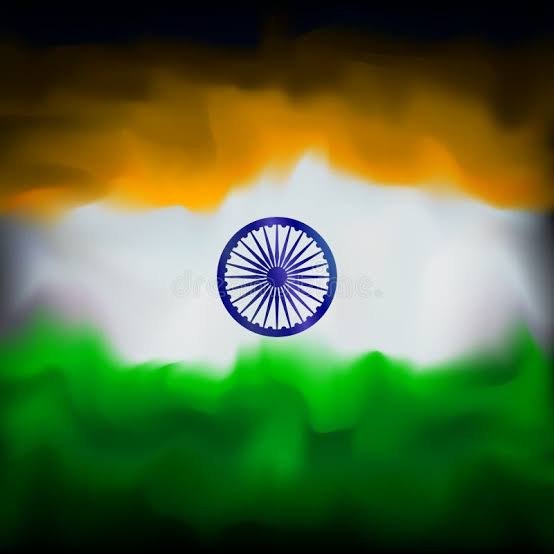
🇮🇳 80th Independence Day of India — A Journey of Freedom, Unity & Pride

80th Independence Day of India
A historic celebration of India’s freedom, democracy, unity, diversity, sacrifice, progress and hope for the future.
Explore India’s Freedom Journey ↓🇮🇳 India’s 80th Independence Day
India will celebrate its 80th Independence Day on 15 August 2027. India became independent from British colonial rule on 15 August 1947. The Government of India records 15 August 1947 as the date of independence.
Independence Day is one of India’s most important national occasions. It is a day to remember the long freedom struggle, honour those who contributed to India’s independence and celebrate the country’s journey as a sovereign nation.
The day also encourages citizens to think beyond celebration. Freedom brings responsibility. The progress of India depends on citizens who respect the Constitution, value unity, protect the environment, pursue education and contribute positively to society.
From the freedom struggle of 1947 to the India of the 21st century, the journey has been one of transformation, challenges, achievements and continuous progress.
📊 Independence Day at a Glance
🌅 India — A Land of Unity and Diversity

India is known for its extraordinary diversity of languages, cultures, traditions, landscapes and communities. Independence Day provides an opportunity to celebrate this diversity while remembering the common values that unite the nation.
The idea of India is deeply connected with unity in diversity: people from different regions and backgrounds participate in the country’s democratic and national life.
📜 History of India’s Independence
India’s independence was not achieved in a single event. It was the result of a long and complex movement involving political organisations, mass movements, reformers, revolutionaries, students, workers, women and ordinary citizens.
The independence movement developed over many decades. Different leaders and groups adopted different approaches, including constitutional politics, mass mobilisation, non-cooperation, civil disobedience and other forms of resistance.
1857 — The Revolt of 1857
The events of 1857 became a major turning point in the history of resistance against British rule. It involved soldiers and civilian groups in several parts of northern and central India.
1885 — Formation of the Indian National Congress
The Indian National Congress was established in 1885 and became an important platform in India’s political movement. Over time, it played a major role in the struggle for self-government.
1905 — Swadeshi Movement
The Swadeshi movement encouraged Indians to promote indigenous products and strengthen national consciousness.
1919 — Jallianwala Bagh
The Jallianwala Bagh tragedy in Amritsar became a deeply important moment in the history of India’s freedom movement.
1920 — Non-Cooperation Movement
Mahatma Gandhi promoted non-cooperation as a mass movement against British rule. It encouraged people to withdraw cooperation from colonial institutions.
1930 — Salt March & Civil Disobedience
The Salt March led by Mahatma Gandhi became an internationally recognised symbol of non-violent resistance and civil disobedience.
1942 — Quit India Movement
The Quit India Movement called for an end to British rule. It became one of the major mass movements of the final years of India’s freedom struggle.
1947 — Independence
On 15 August 1947, India became independent from British colonial rule. The moment marked the beginning of a new chapter in India’s history.
🕊️ Great Personalities of the Freedom Struggle
India’s freedom movement included many leaders and activists. Their ideas, sacrifices and political work contributed to the long struggle for independence.
🕊️ Mahatma Gandhi
Gandhi became one of the most influential leaders of India’s freedom movement. His political campaigns emphasised non-violent resistance and civil disobedience.
🇮🇳 Jawaharlal Nehru
Jawaharlal Nehru was a major leader of the independence movement and became independent India’s first Prime Minister.
🦁 Sardar Vallabhbhai Patel
Sardar Patel was an important leader of the freedom movement and later played a major role in integrating India’s princely states.
⚔️ Subhas Chandra Bose
Subhas Chandra Bose became one of the most prominent nationalist leaders and led the Indian National Army.
🌸 Sarojini Naidu
Sarojini Naidu was a poet, political leader and prominent participant in India’s national movement.
🔥 Bhagat Singh
Bhagat Singh became an enduring symbol of revolutionary nationalism and youth participation in India’s freedom struggle.
❤️ Why Is Independence Day Important?
🕊️ Remembering Freedom
The day reminds citizens that independence came after a long period of political struggle and sacrifice.
🤝 National Unity
Independence Day brings people together through shared national symbols, ceremonies and celebrations.
📚 Learning History
It provides an opportunity for students to learn about India’s freedom movement and the development of modern India.
🚀 Looking Ahead
The occasion encourages citizens to think about India’s future and the responsibilities required to build a better nation.
🏰 Red Fort and the Independence Day Tradition
The Red Fort in Delhi has become closely associated with India’s Independence Day celebrations.
The central national ceremony includes the Prime Minister’s flag-hoisting ceremony and address to the nation from the Red Fort. Independence Day celebrations are also held across schools, colleges, government institutions and communities. The Government of India’s tourism portal identifies the Red Fort ceremony and Prime Minister’s address as the highlight of the national celebrations.

🇮🇳 The Indian National Flag
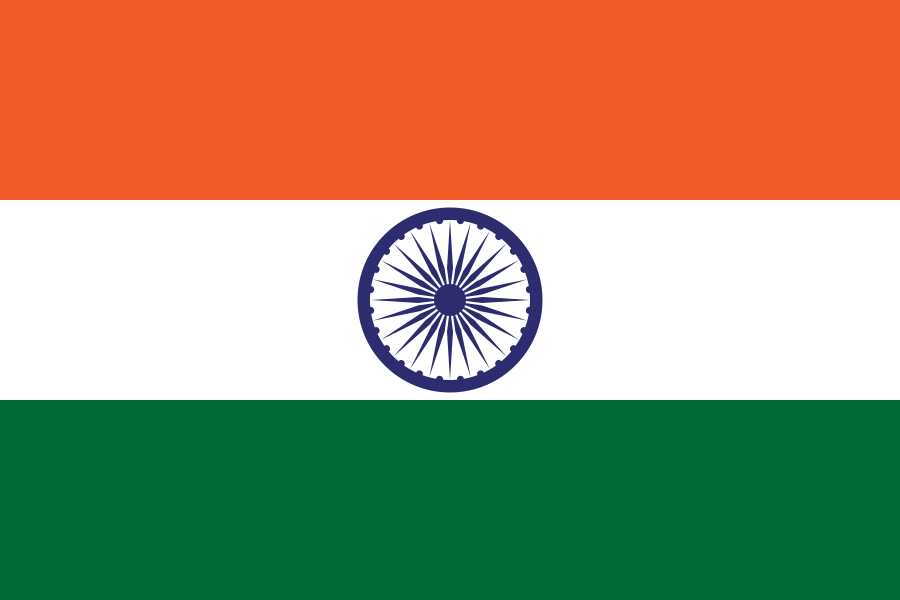
India’s National Flag is a horizontal tricolour consisting of saffron at the top, white in the middle and green at the bottom. The Ashoka Chakra appears in navy blue at the centre of the white band. The Government of India describes the flag as a horizontal tricolour with the three colours in equal proportion.
🟧 Saffron
The upper band of the Tricolour is saffron.

☸️ Ashoka Chakra
The navy-blue wheel at the centre has 24 spokes.
🟢 Green
The green band forms the lower part of the national flag.
🦁 India’s National Identity
🇮🇳 National Flag
The Tricolour is one of India’s most important national symbols.
🦁 National Emblem
The Lion Capital of Ashoka is India’s State Emblem.
🦚 National Bird
The Indian peacock is the national bird of India.
🐯 National Animal
The Bengal Tiger is India’s national animal.
🌳 National Tree
The Banyan tree is India’s national tree.
🌸 National Flower
The Lotus is India’s national flower.
🚀 India’s Journey After Independence
Independence in 1947 marked the beginning of another enormous task: building democratic institutions, developing the economy, expanding education and improving the lives of citizens.
📜 Constitution
India adopted its Constitution, establishing the framework for the country’s democratic republic.
🎓 Education
Educational institutions expanded over the decades, creating greater opportunities for learning and professional development.
🛰️ Space Technology
India developed significant capabilities in space science, satellites and launch technology.
💻 Digital Transformation
Digital technologies have transformed communication, banking, education, commerce and public services.
🏭 Industry
India developed a broad industrial and service-sector economy over the decades following independence.
🌍 Global Presence
India has developed an important role in international diplomacy, technology, science, trade and culture.
🇮🇳 80 Years of Freedom
1947 → 2027
A journey from independence to a modern, ambitious and evolving India.
👨🎓 The Role of Young Indians
Young people have a particularly important role in India’s future. Independence Day is therefore not only about looking back at history but also about thinking about what the next generation can contribute.
📖 Education
Develop knowledge, critical thinking and useful skills.
💡 Innovation
Use science and technology to solve real-world problems.
🌱 Environment
Protect nature and encourage responsible use of resources.
🤝 Unity
Respect India’s diversity and treat fellow citizens with dignity.
🇮🇳 Responsibility
Follow laws, respect public property and contribute positively to society.
🚀 Dream Big
Build skills and ideas that can contribute to India’s future.
🎉 How India Celebrates Independence Day
Independence Day is celebrated throughout India. Common activities include:
🇮🇳 Flag Hoisting
Schools, institutions and communities conduct flag-hoisting ceremonies.
🎤 Speeches
Students and public figures deliver speeches about India’s history and future.
🎭 Cultural Programs
Schools and communities organise patriotic songs, dances, dramas and other cultural programmes.
🏃 Competitions
Essay writing, quizzes, drawing, debates and other educational activities are commonly organised.
🧠 Interesting Facts
- India became independent on 15 August 1947.
- Independence Day is observed every year on 15 August.
- The main national ceremony takes place at the Red Fort in New Delhi.
- The Prime Minister traditionally hoists the national flag and addresses the nation.
- Independence Day is a national holiday in India.
- The National Flag consists of saffron, white and green with the Ashoka Chakra in the centre.
- India’s freedom struggle involved many leaders, organisations, movements and ordinary citizens.
🇮🇳 Our India. Our Responsibility.
Freedom is a precious part of India’s history. The future of the nation depends on how responsibly we use that freedom.
Learn. Serve. Innovate. Unite. 🇮🇳
Jai Hind!
📝 This article was researched and written by Venkatesh A, Founder of verakworld.com.
l